
Anthropology
Anthropology Degree
Bachelor of Arts, Minor
Program Type:
Major, Minor
Career Path:
Social Sciences
Program Site:
College or School:
Why study Anthropology?
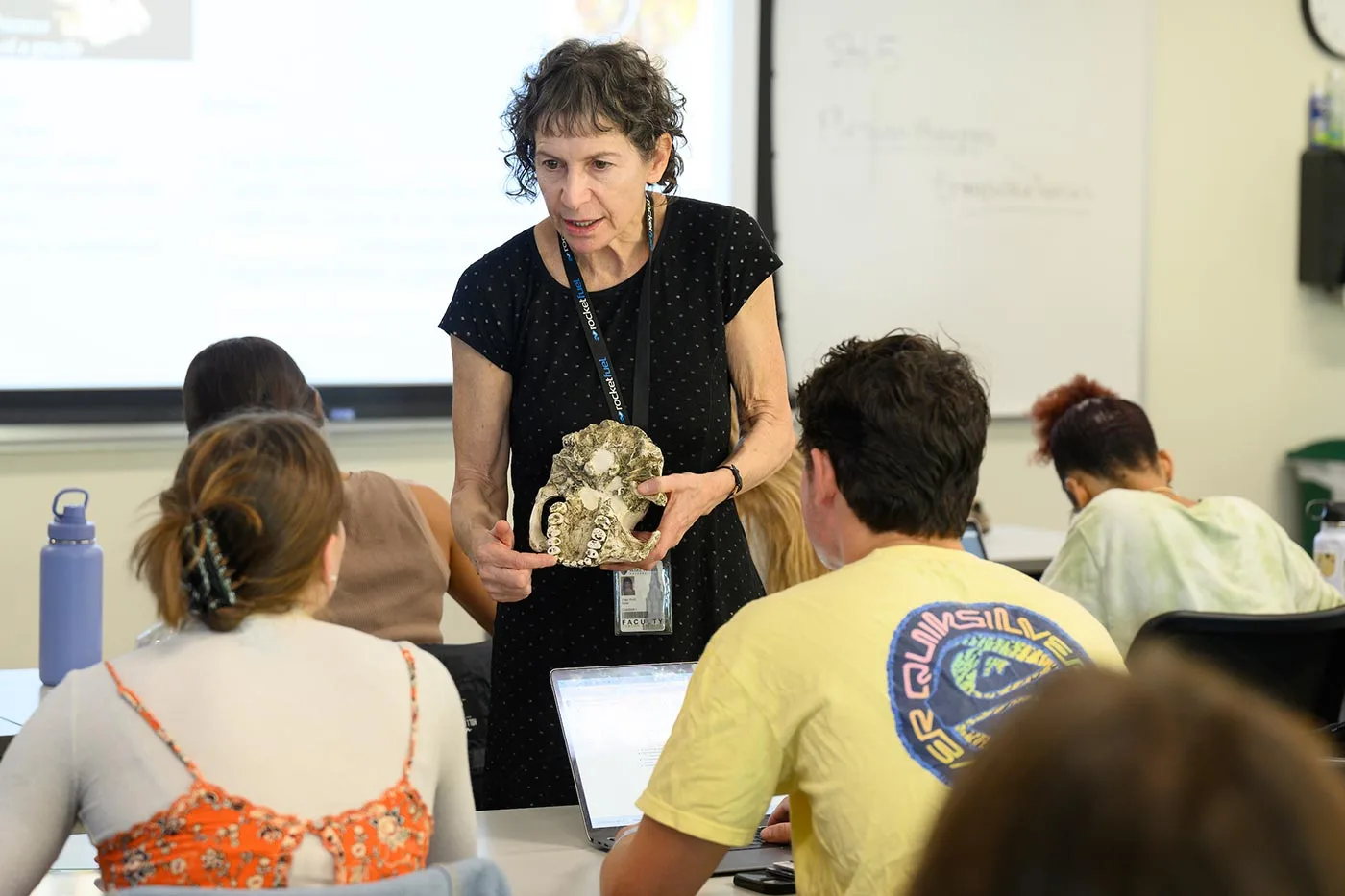
Anthropology majors study humankind, from its beginnings millions of years ago to the present day. We ask questions fundamental to the 21st century: What does it mean to be human across radically different cultures and time periods? How do we design institutions, products, and policies that work for the people they serve? Why do health, social, and economic outcomes differ across communities?
At Wake Forest University, Anthropology majors study questions like these in close collaboration with faculty, often while doing research with them.
Students in anthropology also conduct research on museum collections and curate public exhibits at the Timothy S.Y. Lam Museum of Anthropology, the only museum in North Carolina dedicated to the study of global cultures.
The Anthropology degree is offered as a Bachelor of Arts (B.A.) and a minor.
What classes would I take?
Our model and curriculum educate the whole person and often help students discover interests they had never previously discovered. Students generally take 100-200 level courses during their first year of college, while registering for higher level courses as upperclassmen.
Sample courses* that you may take in Anthropology include:
100-200 level
- Introduction to Archaeology
- Introduction to Biological Anthropology
- Introduction to Cultural Anthropology
- Language, Culture, and Power: Linguistic Anthropology
300 level
- Museum Anthropology
- Language and Social Justice
- Culture and Nature: Introduction to Environmental Anthropology
- Human Osteology
* Course availability and offerings can change at any time. Refer to the Academic Bulletin to view all major requirements.
What kind of experience will I gain?
The global, comparative focus of the Anthropology major builds expertise in research, intercultural communication, and complex systems analysis. By investigating human diversity across social contexts, our majors learn to translate data into actionable, ethical strategies—preparing them to lead in a global, interconnected world.
Students in this program will develop the following skills:
- Employ anthropological and social theory in a range of professional and academic contexts
- Conduct original, ethics-approved fieldwork and research
- Demonstrate mastery across the four subfields of anthropology: cultural, biological, archaeological, and linguistic
- Demonstrate high-level critical thinking skills
- Write at an advanced academic and professional level
- Present research with confidence to diverse audiences
- Depending on their focus, develop advanced skills in laboratory methods, ethnographic fieldwork, or museum practice
Are there extracurricular activities?
Joining a club or organization is a great way to get involved and do more with your major. Our Anthropology students participate in the following programs:
What kind of job can I get?
Careers that often interest Anthropology majors, and fields our graduates work in, include:
- Archaeologist
- College professor
- Corporate Ethnographer/UX researcher
- Data scientist
- Forensic investigator
- Environmental consultant
- Foreign service officer
- Global health expert
- Journalist
- K-12 educator
- Lawyer
- Marketing executive
- Medical researcher
- Museum curator
- NGO or foundation manager
- Physician
- Public health administrator
- Public policy analyst
Careers enjoyed by recent Anthropology graduates include brand director of Benchwarmers Bagels; data analysts for the Centers for Disease Control and Prevention; museum curators; and U.S. Army Special Forces officers.
Related Programs
Majors & Minors
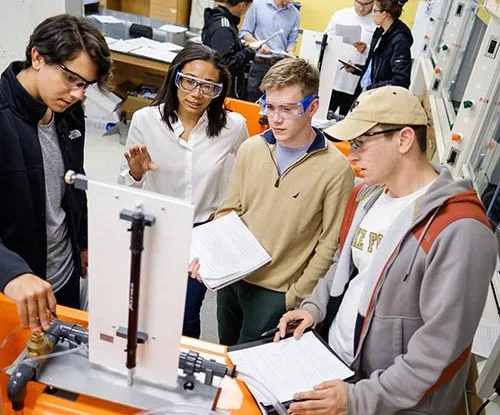
Choose from more than 50 majors and over 60 minors to find your perfect fit.

Life at Wake
Take a moment to explore all the student experiences that make Wake Forest unique.
Virtual Tour
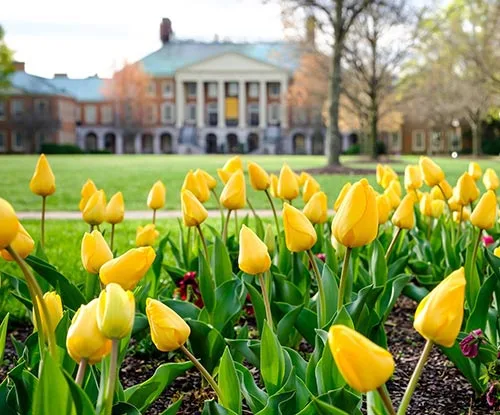
Can’t make it for a visit? No problem! Let us show you around campus virtually.

Keep in Touch
Let us know you’re interested in Wake Forest and we’ll do the rest.
Visit Campus
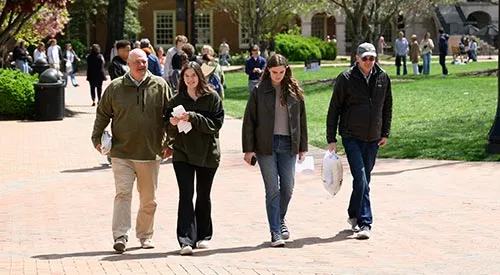
You truly can’t appreciate the beauty of our campus until you experience it for yourself.
Apply
Want to be considered for our next class of Demon Deacons? Here’s how to get started.